

The world of textiles is a vast and intricate domain, weaving together stories of culture, history, identity, and comfort. From the symbolically rich garments worn in West Africa to the festive attire of the African diaspora and the simple, universal appeal of a cozy throw, fabric is much more than mere material. It is a canvas for human expression, a record of tradition, and an ever-evolving facet of global life. By exploring a few distinct items—the African shirt, the African hat, Dominican Republic clothing, Juneteeth shirts, and the sherpa blanket—we can better understand how textiles shape and reflect the human experience across continents and cultures.
The African shirt, often referred to by names like dashiki, kente, or bubu, is perhaps one of the most potent symbols of African heritage and identity today. These shirts are characterized by vibrant colors, bold geometric patterns, and intricate embroidery. They are not merely fashion statements; they are visual narratives. A Kente cloth pattern, for example, might communicate a proverb, a historical event, or a spiritual belief, with each color and motif carrying specific meaning. Wearing an African shirt can be an act of cultural pride, a nod to ancestral connection, or a conscious political statement. During the Pan-African movement and the Civil Rights era, these garments were embraced by the African diaspora as a powerful rejection of colonial-imposed uniformity and a celebration of African ingenuity and royalty. Today, the shirt remains a flexible garment, appearing in formal ceremonies, casual gatherings, and high-fashion runways, adapting to modern aesthetics while retaining its symbolic weight.
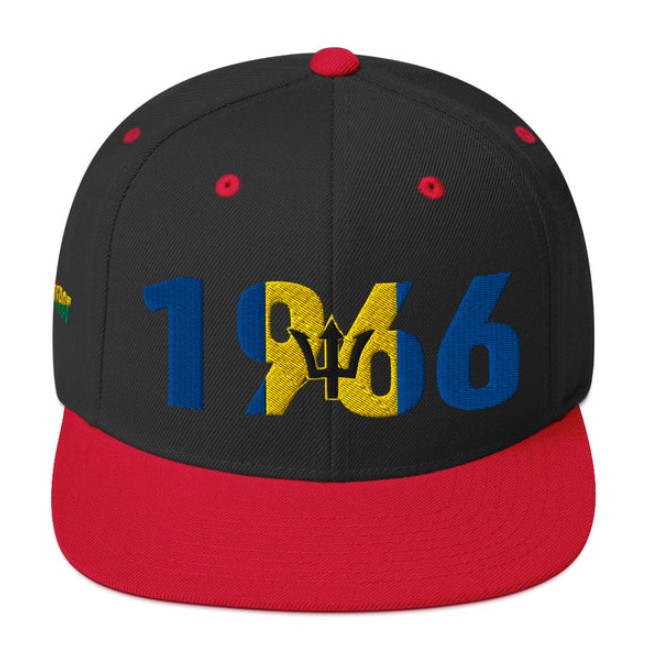
Complementing the shirt is the African hat, which serves a similar role in cultural and symbolic communication. Whether it is the voluminous fila worn by the Yoruba people, the woven kufi common in West Africa, or the elaborate headwraps of various communities, the hat is often a marker of status, social class, and spiritual dedication. The way a hat is tied, its height, and its fabric can all convey information about the wearer’s marital status, age, or even their current mood. Historically, the elaborate construction of certain hats required significant skill and time, making them items of prestige. Like the African shirt, the African hat has traveled the world, being adopted by communities in the diaspora as a signifier of identity and a way to maintain visible connections to the continent. The hat and shirt, taken together, create a complete, intentional ensemble that speaks volumes without uttering a single word.
Moving across the Atlantic, we find the vibrant and celebratory traditions of the Caribbean, exemplified in Dominican Republic clothing. The national dress, particularly the women’s traje típico, features bright, often white, cotton fabrics accented with bold colors—red and blue representing the flag. The attire is designed to be lightweight and breathable, perfectly suited for the tropical climate. While less formally regulated by centuries-old symbolic codes than some West African textiles, Dominican Republic clothing is nonetheless a powerful expression of national identity, blending European colonial influences with indigenous Taino and African roots. The clothing used for festivals and dances, such as the merengue, is characterized by flounces, ruffles, and a general air of joy and exuberance. The fabrics and designs reflect a culture that values life, celebration, and a strong sense of community, contrasting the stark practicalities of historical necessity with a colorful present.
The concept of clothing as a cultural and political statement is further crystallized in Juneteeth shirts. Juneteenth, now a federal holiday in the United States, commemorates the emancipation of enslaved people in Texas on June 19, 1865. The shirts worn for this celebration have evolved into a distinct form of commemorative wear. These garments are characterized by the use of red, black, and green—the colors of the Pan-African flag—or the colors of the American flag, often featuring historical figures, empowering slogans, or artistic renderings of the Juneteenth flag. Juneteeth shirts are a modern textile phenomenon, serving as a wearable reminder of struggle, resilience, and the ongoing fight for true freedom and equality. They are functional pieces of clothing that carry a profound educational and political purpose, transforming the wearer into a walking monument to a pivotal moment in American history. The popularity of these shirts highlights how textiles can be used to mainstream historical memory and rally collective identity in a globalized world.
While the previous textiles primarily function as outward expressions of culture and identity, the final item, the sherpa blanket, represents a universal human need for comfort, security, and warmth. Named for its resemblance to the wool-lined clothing traditionally worn by the Sherpa people of Nepal, the modern sherpa blanket is typically a synthetic, two-sided fabric—one side a smooth knit and the other a soft, often fluffy, faux shearling. This blanket has become a global staple of home comfort. It transcends cultural and geographic boundaries, offering a simple, tactile antidote to the stresses of modern life. Unlike the richly symbolic and culturally specific garments, the sherpa blanket offers a blank slate of pure function and sensation. Its value lies not in what it communicates, but in how it feels. Yet, in its global ubiquity, it tells another story: that of modern manufacturing, mass comfort, and the shared, simple pleasure of domestic tranquility.
In conclusion, the journey from an intricately patterned African shirt and symbolic African hat to the festive spirit of Dominican Republic clothing, the commemorative power of Juneteeth shirts, and the simple, luxurious warmth of a sherpa blanket illuminates the multifaceted role of textiles in human life. Fabrics are the silent, woven threads that bind us to our past, express our present identities, and offer us physical comfort. They are dynamic cultural artifacts, constantly being reinterpreted and repurposed in the global marketplace of ideas. Understanding the significance behind each fold, pattern, and texture allows us to appreciate the true depth of the global textile tapestry—a tapestry where every thread, from the culturally profound to the domestically simple, holds a story worth telling.